
Georgia’s winter weather arrives fast and unpredictably, and your car feels every degree of that temperature swing. From battery health to tire pressure to your emergency kit, here are the winter car care tips in Georgia steps every Clayton County driver should take before cold weather settles in for good.
When Fall Skips and Winter Shows Up Overnight
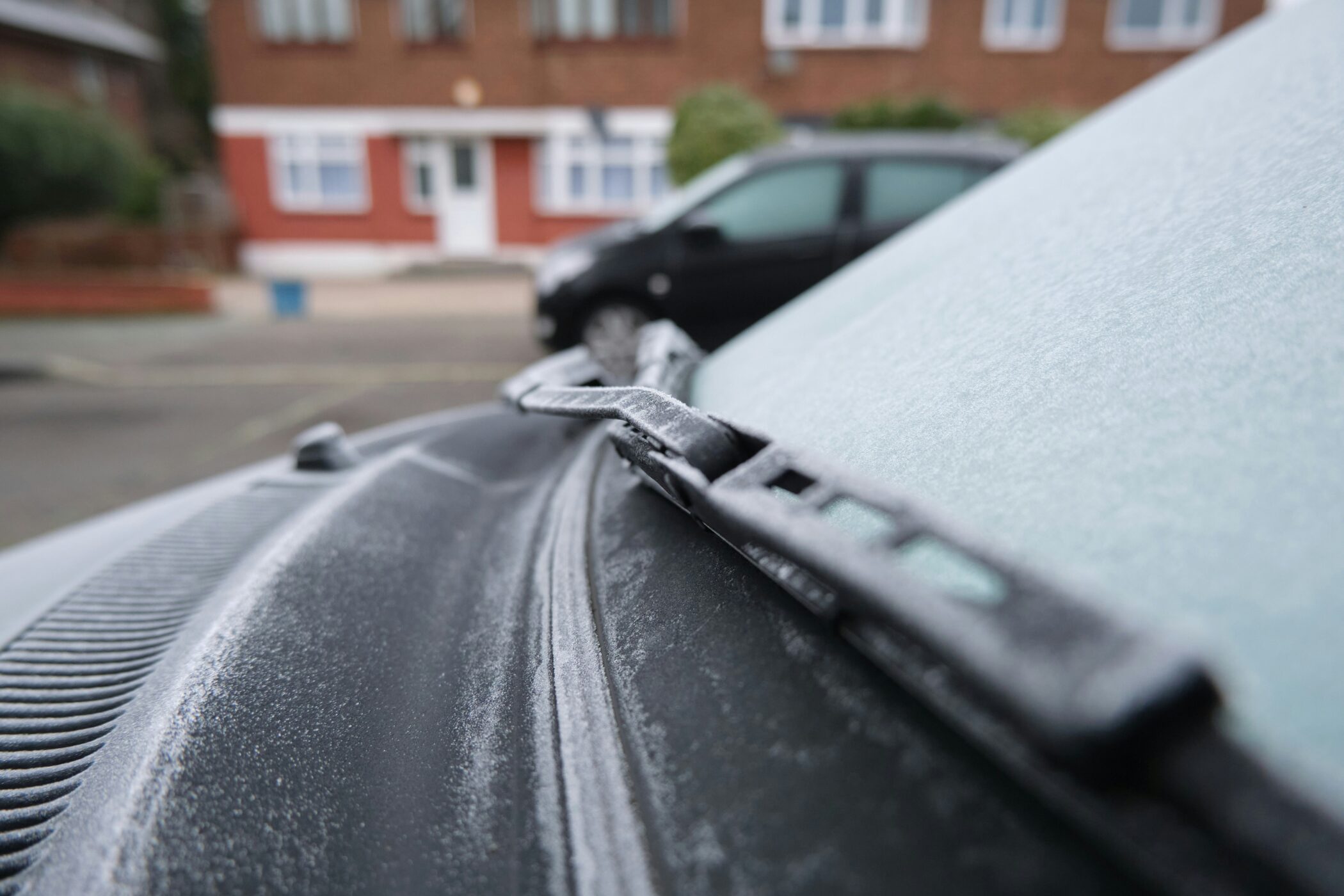
If you live in the Atlanta area, you know exactly how this goes. Last week it was 72 degrees and you had the windows down. This week your windshield has frost on it and your car is taking a little longer to start than usual. There is no slow transition here — Georgia just skips it. One cold front rolls through and suddenly it feels like a completely different season.
That kind of overnight swing is actually tougher on your car than a gradual cool-down. Your battery, tires, fluids, and belts all react to temperature changes, and when things drop 25 or 30 degrees in just a few days, whatever was already borderline tends to give out fast.
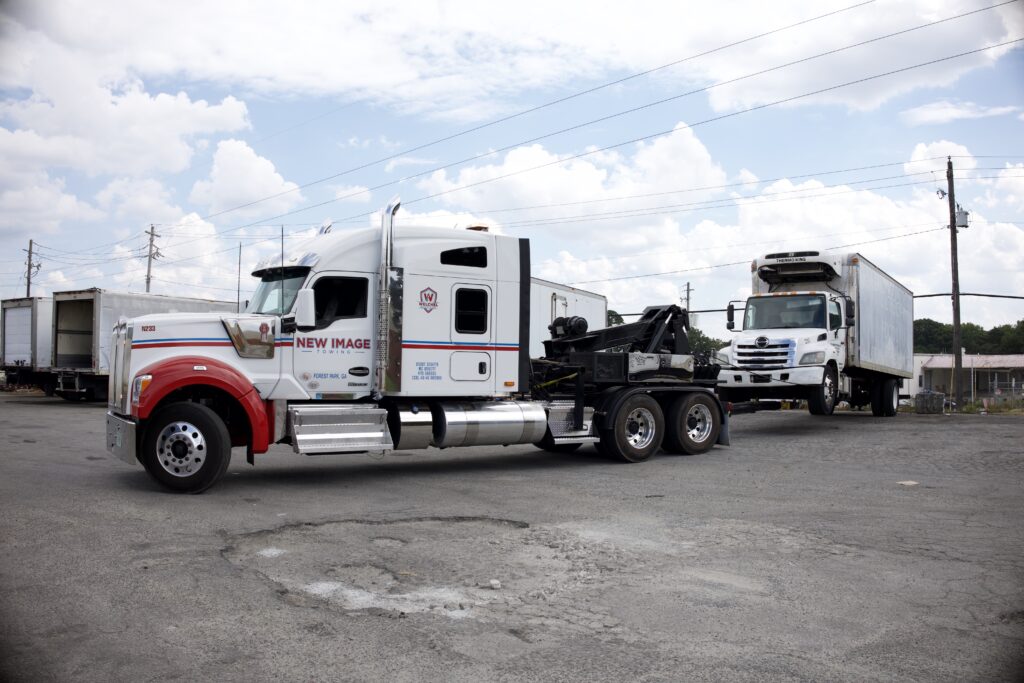
We see it every year at New Image Towing. A good chunk of the roadside calls we run in November and December are from drivers who had no idea winter had shown up until their car made it very clear. So consider this your heads-up — the winter car care tips in Georgia drivers actually need, written for the way our winters actually work.
Why Georgia’s Temperature Swings Are Harder on Your Car Than a Cold Northern Winter
This might sound counterintuitive, but the rapid warm-to-cold transitions that characterize Georgia winters are in some ways more stressful on vehicles than a consistently cold northern climate. Here is why.
When temperatures stay cold for weeks at a time, drivers adapt and vehicles stabilize. When temperatures swing dramatically in short windows — 70 degrees one day, 42 degrees three days later — the mechanical and chemical systems in your car are constantly adjusting. Battery chemistry changes with temperature. Tire pressure drops with cold air and rises again when it warms back up. Rubber components expand and contract. That repeated cycling accelerates wear in ways that steady cold does not.
Georgia winter driving tips have to account for this reality. Preparing your car for a New England winter looks different from preparing it for Atlanta’s version of cold, and treating them the same way is a mistake.
Cold Weather Car Maintenance in Georgia: What to Check Right Now
1. Your Battery
This is the first thing to address and the most common cause of cold-weather breakdowns in Georgia. Car batteries lose capacity as temperatures drop — a battery that starts your car fine at 70 degrees may not have enough power to turn the engine over at 35 degrees, especially if it is already a few years old.
The tricky part is that a marginal battery often gives no warning during warm months. It starts the car, it charges normally, and nothing seems off. Then one cold morning it does not, and you are sitting in a parking lot waiting for a jump.
If your battery is three years old or older, have it tested before the temperature drops for good. Most auto parts stores will test it for free. If it is showing reduced capacity, replace it now — not after the first cold morning proves the point.
2. Tire Pressure
For every 10-degree drop in ambient temperature, tire pressure drops by roughly one PSI. In Georgia, where a week can swing from the mid-70s to the low 40s, that adds up fast. Underinflated tires reduce traction, increase braking distance, and wear unevenly.
Check your tire pressure after the first cold snap of the season and again any time the temperature drops significantly. The correct pressure for your vehicle is on the sticker inside the driver’s door jamb, not on the tire sidewall. The number on the sidewall is the maximum, not the target.
While you are at it, check your tread depth. Georgia roads ice over differently than northern roads — it tends to be thin, patchy, and unpredictable, especially on bridges and overpasses on I-285 and I-75 through Clayton County. Tread that is acceptable for dry or wet roads may not give you enough grip on the ice patches that show up on a cold Georgia morning.
3. Engine Coolant and Antifreeze
Your coolant system does two jobs — it keeps your engine from overheating in summer and from freezing in winter. In Georgia, most drivers think about the first job and ignore the second. That is a mistake.
The antifreeze-to-water ratio in your coolant determines how low the temperature can drop before the fluid in your system freezes. If the ratio is off, you are at risk of a cracked engine block or burst hose on an unusually cold Georgia night. Have your coolant tested to verify the freeze protection level, and flush and replace it if it has been more than two years.
4. Oil Viscosity
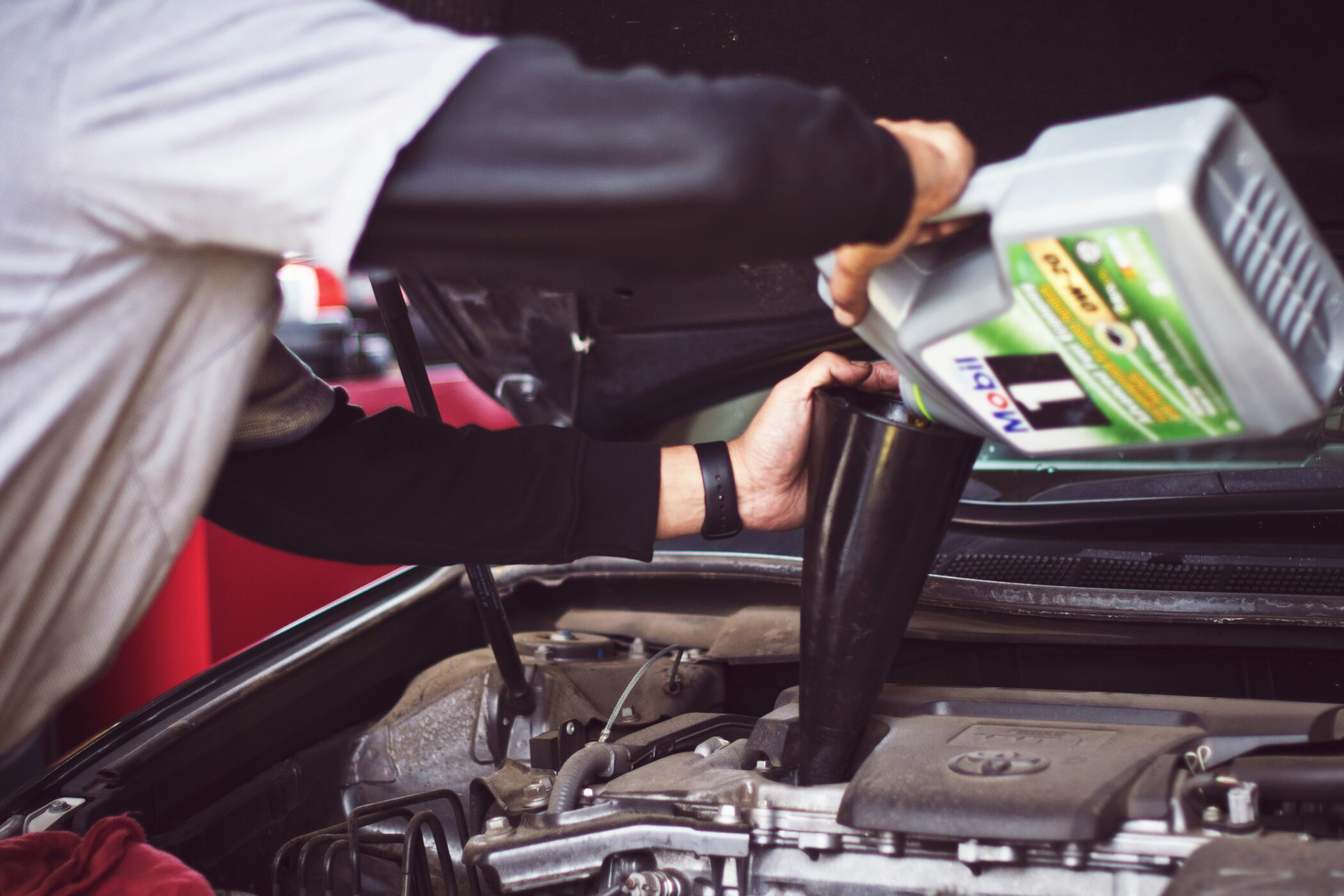
Oil thickens in cold weather, which means your engine works harder to circulate it at startup on cold mornings. If your oil is already due for a change, do it now — fresh oil flows better than old, broken-down oil in cold conditions.
Check your owner’s manual for the recommended viscosity for cold-weather driving. Many modern vehicles use a multi-viscosity oil that handles a wide temperature range, but if you are running an older vehicle or a high-mileage engine, the right oil choice matters more.
5. Belts and Hoses
Rubber components stiffen and crack in cold weather, especially after years of heat cycles. Cold weather car maintenance in Georgia should always include a visual inspection of your belts and hoses — look for cracks, fraying, glazing on belts, and soft spots or swelling on hoses.
A snapped serpentine belt or a blown radiator hose in cold weather is a full stop — your car is not moving under its own power. Both are inexpensive to replace proactively and expensive to deal with on the side of I-285 in January.
6. Windshield Wipers and Washer Fluid
Georgia winters bring rain, sleet, and the occasional ice event more often than snow. Your windshield wipers are your primary visibility tool in all of those conditions. If your blades are streaking or skipping, replace them before winter. Winter-specific wiper blades are designed to handle ice buildup better than standard blades.
Switch your washer fluid to a winter formula rated for freezing temperatures. Standard washer fluid will freeze in the reservoir and on the glass if temperatures drop far enough — and in a Georgia winter, they sometimes do.
Build a Cold-Weather Emergency Kit for Your Car
Preparing your car for winter in Georgia is not just about maintenance — it is about being ready for the moment something goes wrong. A basic cold-weather emergency kit should live in your trunk from November through February.
What to include: a set of jumper cables or a portable jump starter, a flashlight with fresh batteries, a reflective triangle or road flares, a blanket, a phone charger that works from your car’s USB port, a small bag of cat litter or sand for traction if you get stuck, and a first aid kit.
None of this is expensive. All of it matters when you are on I-285 at 11pm on a cold Wednesday and your battery just died.
How New Image Towing Helps When Winter Catches You Off Guard
Even drivers who do everything right end up on the side of the road sometimes. When that happens in Clayton County or anywhere in South Metro Atlanta, New Image Towing is the team you want on the way.
Our emergency roadside service covers dead battery jump starts, car lockouts, tire changes, and more — available 24 hours a day, seven days a week, in any weather. If your situation goes beyond a roadside fix, our full fleet of Wreckmaster Certified operators is dispatch-ready to get your vehicle where it needs to go safely.
We have been serving Forest Park, Clayton County, South Fulton, Ellenwood, College Park, Jonesboro, Stockbridge, and the surrounding South Metro Atlanta area since 2000. When winter shows up overnight, we are already out here.

Winter car care tips in Georgia FAQ
Does cold weather affect car batteries in Georgia?
Yes, significantly. Cold temperatures reduce the chemical reaction inside a battery that generates power, which means a battery that performs normally in warm weather may not have enough capacity to start your engine on a cold Georgia morning. If your battery is three or more years old, have it tested before the cold season sets in.
How much does tire pressure drop in cold weather?
Tire pressure drops approximately one PSI for every 10-degree Fahrenheit decrease in temperature. During a Georgia cold snap where temperatures swing 25 to 30 degrees in a few days, your tires can lose two to three PSI quickly. Check your pressure after any significant temperature drop and inflate to the specification on your driver’s door jamb sticker.
What should I do if my car breaks down in cold weather in Georgia?
Pull as far off the road as safely possible, turn on your hazard lights, and stay inside the vehicle with your seatbelt on if you are on a high-speed road. Call for roadside assistance and give your exact location. If you must exit the vehicle, do so on the side away from traffic. Keep a blanket and phone charger in your car during winter months so you can stay warm and keep your phone charged while you wait.
Is antifreeze necessary in Georgia winters?
Yes. While Georgia winters are mild compared to northern states, temperatures do drop below freezing — sometimes significantly during cold snaps. The antifreeze-to-water ratio in your coolant system should be tested to ensure adequate freeze protection. A local auto shop or service center can test it quickly and inexpensively.
What are the most common cold-weather car problems in Georgia?
The most common issues New Image Towing sees during Georgia cold snaps are dead batteries, underinflated or flat tires, and vehicles that overheat due to coolant issues. Jump starts and tire changes are among the most frequent roadside calls we run from November through February.
Does New Image Towing offer emergency roadside service in cold weather?
Yes. New Image Towing provides 24/7 emergency roadside service across Clayton County and South Metro Atlanta regardless of weather conditions. This includes jump starts, tire changes, car lockout service, and towing if your vehicle cannot be repaired on the spot.

Don’t Wait for a Cold Morning to Find Out Your Car Wasn’t Ready
Georgia winter driving tips are not about preparing for blizzards. They are about preparing for the specific, fast, unpredictable cold that arrives here every November and catches drivers off guard. A battery test, a tire pressure check, fresh oil, and a quick look at your belts and hoses takes less than an hour. It is the difference between a smooth cold season and an unexpected call for a tow.
New Image Towing has been on Clayton County roads through every version of Georgia winter since 2000. We hope you never need us — but if you do, we are one call away, 24 hours a day.
Call us at 770-422-6614 or visit newimagetowing.com/contact to save our number before you need it.